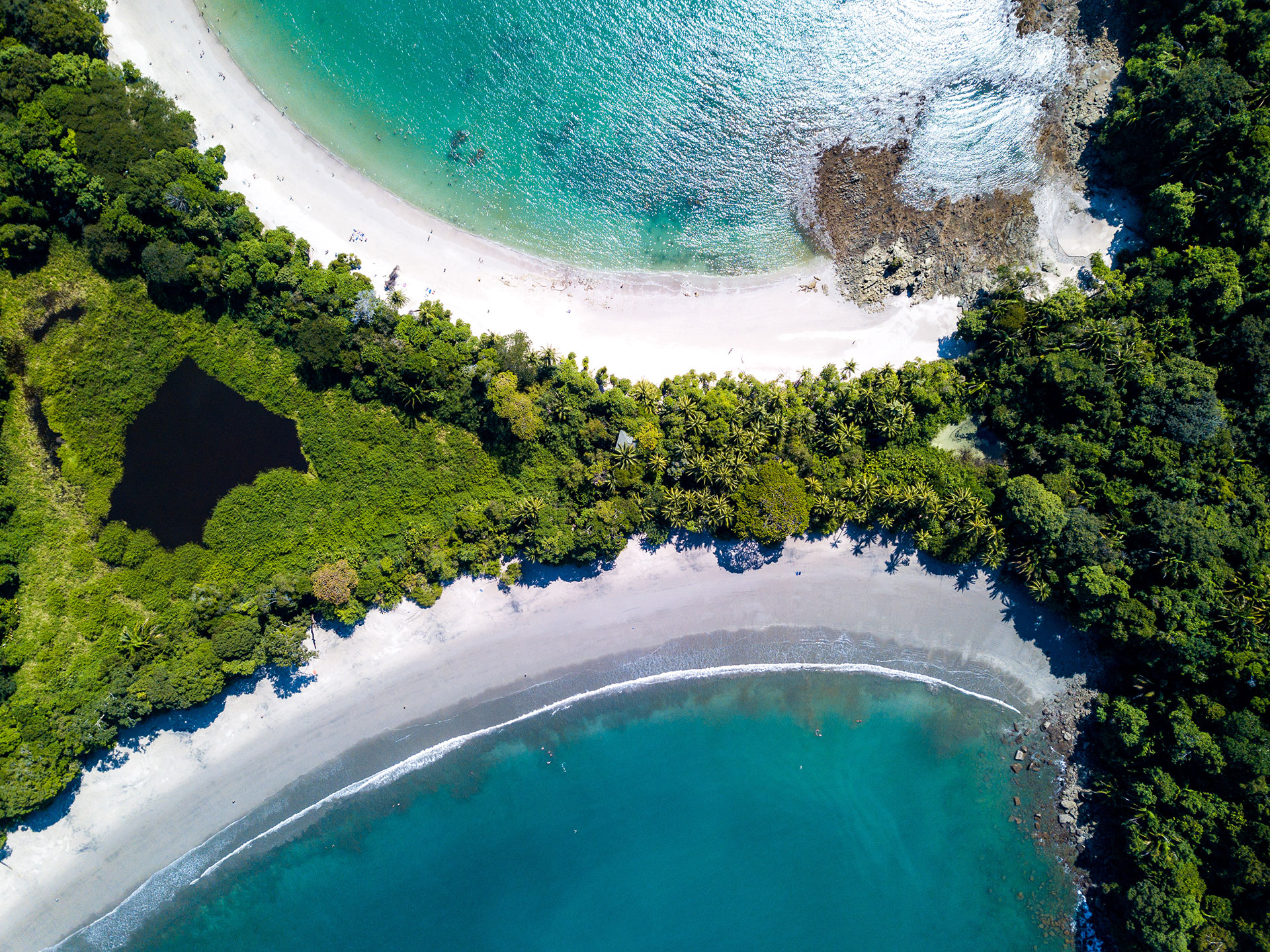
A Living Laboratory
Costa Rica occupies just 0.03% of the Earth's surface, yet it shelters roughly 5% of the planet's total biodiversity. That single statistic has made this small Central American nation one of the most celebrated wildlife destinations on the globe.
With over 500,000 documented species — from the iridescent quetzal nesting in misty cloud forests to the leatherback turtles crawling ashore on Caribbean beaches — Costa Rica functions as a living laboratory of evolution and adaptation. National parks and biological reserves protect more than 25% of the country's territory, a commitment to conservation that is virtually unmatched anywhere else in the world. Decades of progressive environmental policy have reversed deforestation, expanded biological corridors, and turned eco-tourism into a pillar of the national economy. The result is a country where wildlife doesn't merely survive; it thrives, and where every region offers a distinct, unmissable encounter with the natural world.
Whether you are a seasoned birder, a marine-life enthusiast, or simply someone who wants to lock eyes with a wild sloth for the first time, Costa Rica delivers. Here is a region-by-region, season-by-season guide to help you plan your ultimate wildlife journey.
Sea Turtles: Witnessing an Ancient Ritual
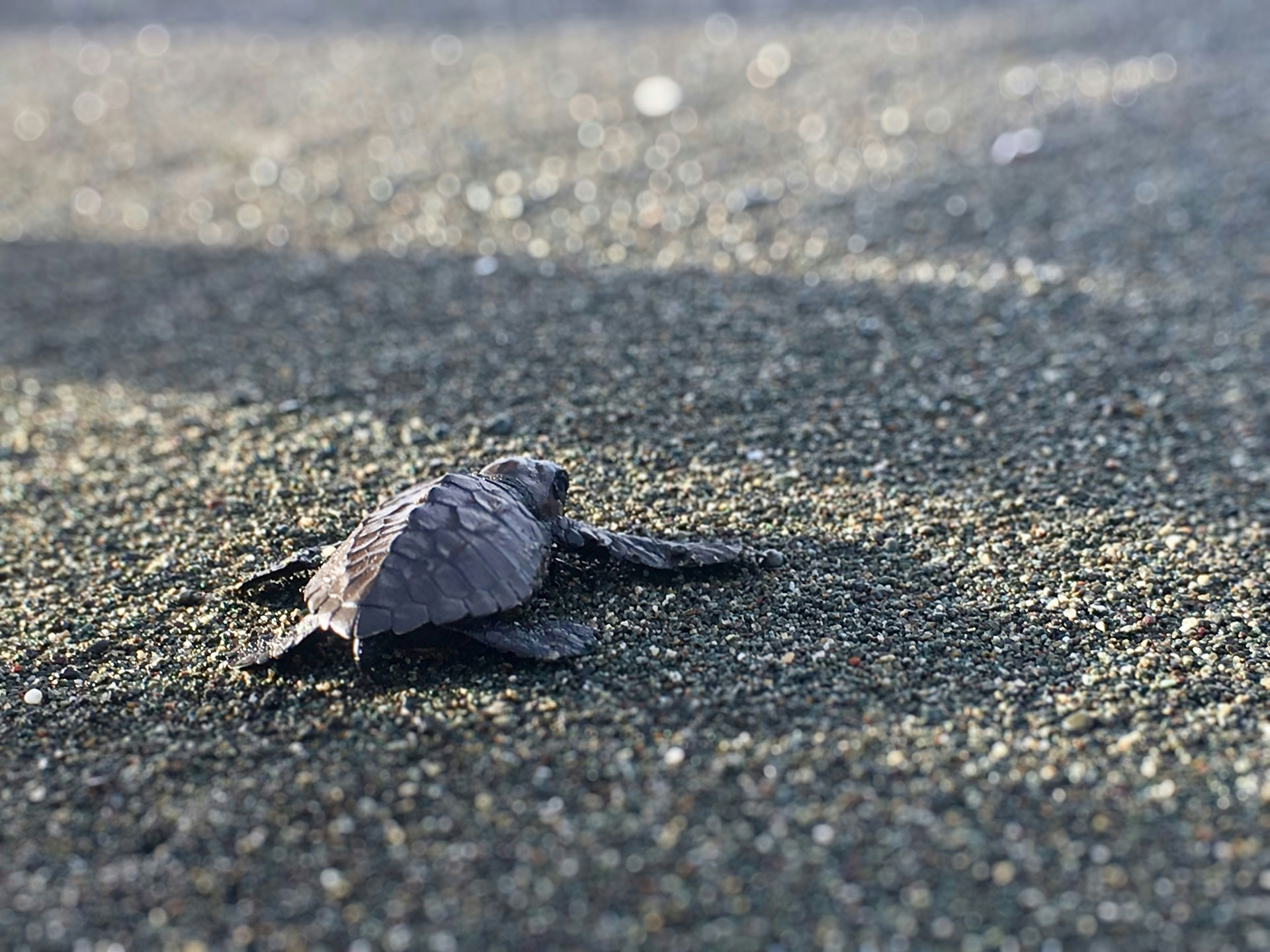
Few wildlife experiences rival the raw emotion of watching a sea turtle haul herself from the surf, laboriously dig a nest under the moonlight, and lay her eggs before returning to the ocean. In Tortuguero National Park — often called "the most important nesting site in the Western Hemisphere" — this ancient ritual plays out nightly from July through October. Four species nest along Costa Rica's coasts: the green turtle (the star of Tortuguero), the hawksbill, the leatherback, and the olive ridley, which stages mass arrivals known as arribadas at Ostional on the Pacific side.
Guided night tours operate under strict regulations to minimize disturbance: red-filtered flashlights, small groups, and a respectful distance. Many lodges in Tortuguero partner with conservation projects that invite guests to participate in nest monitoring and hatchling releases. It is an experience that lingers long after you leave — a humbling reminder that some rituals are older than human memory itself. If turtle nesting tops your list, plan your visit between late July and early October for the highest activity, and book your guide well in advance.
Birdwatching: 900+ Species in a Country Smaller Than West Virginia
Costa Rica is home to more than 900 bird species — more than the United States and Canada combined — packed into an area roughly the size of West Virginia. For birders, this density is the dream. The undisputed prize is the Resplendent Quetzal, a shimmering emerald-and-crimson bird that the ancient Maya revered as a deity. Monteverde Cloud Forest is one of the most reliable places on the planet to spot it, especially from February to April when males display their impossibly long tail feathers during courtship.
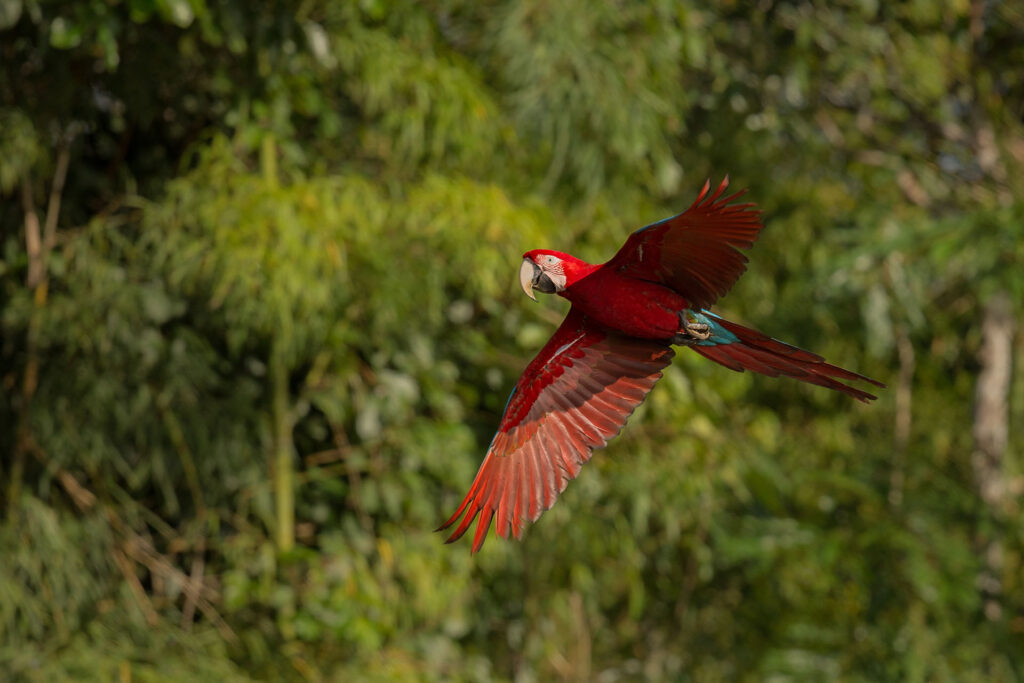
Down on the Osa Peninsula, scarlet macaws streak across the sky in pairs, their raucous calls echoing through primary rainforest. Keel-billed toucans, with their absurdly colorful bills, are common from the Caribbean lowlands to the mid-elevation forests around Arenal. Hummingbirds alone account for over 50 species here. The best birding months are December through April (the dry season), when migratory species swell resident populations and fruiting trees concentrate feeding activity. A knowledgeable naturalist guide can double or triple your sighting list in a single morning, pointing out species you would walk right past on your own.
“In the end, we will conserve only what we love, we will love only what we understand, and we will understand only what we are taught.” — Baba Dioum. This philosophy drives everything we do at Wiköl: every wildlife encounter is an opportunity to deepen understanding and inspire lasting conservation.
Tortuguero by Kayak: The Amazon of Costa Rica
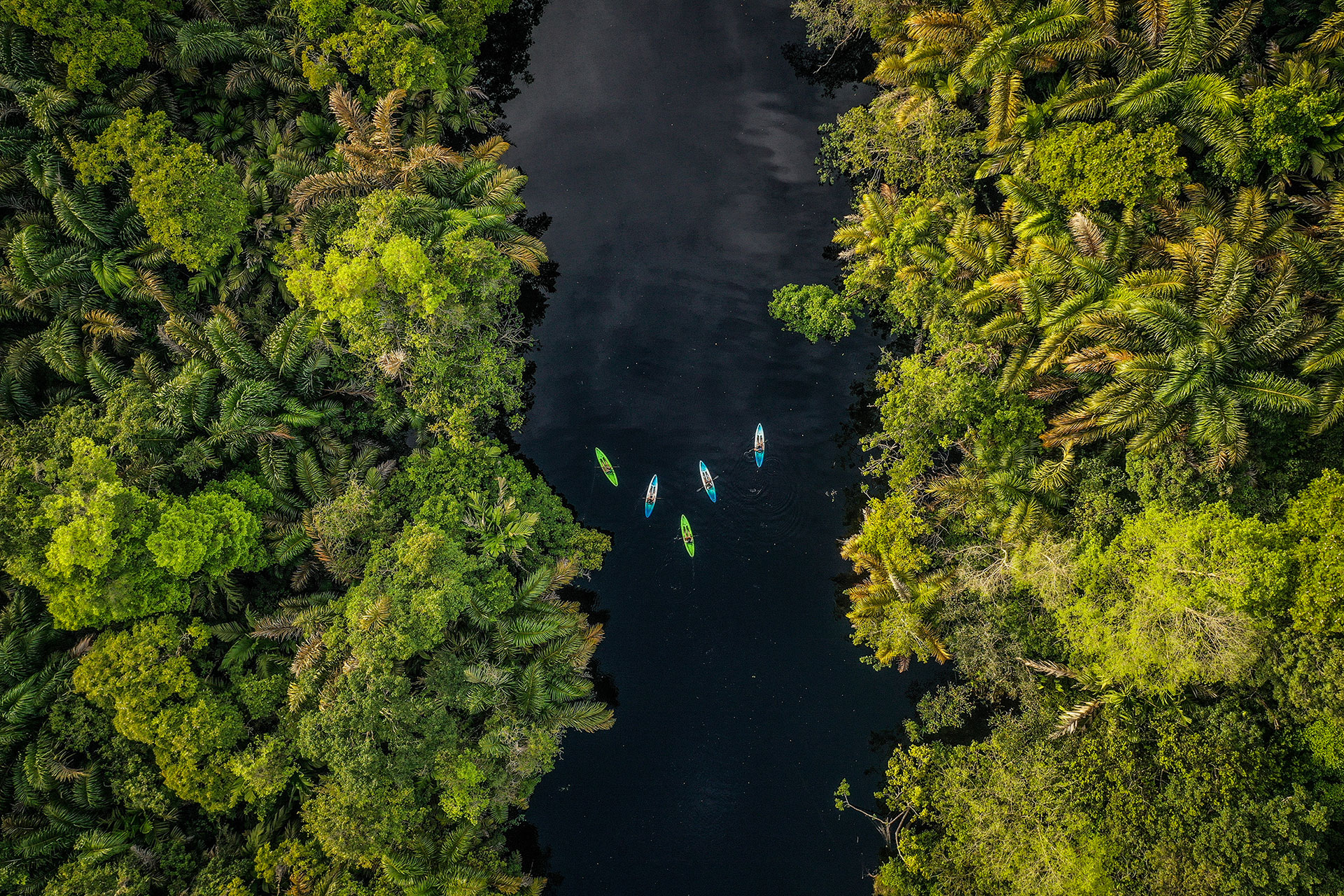
Accessible only by boat or small aircraft, Tortuguero National Park is Costa Rica's answer to the Amazon Basin. A labyrinth of natural canals, lagoons, and river channels winds through dense lowland rainforest, creating one of the country's most immersive wildlife corridors. The best way to explore it is by kayak: paddling silently through the waterways, you become part of the ecosystem rather than a spectator watching from a distance.
On a typical morning paddle, expect to encounter howler monkeys bellowing from the canopy, white-faced capuchins swinging through the branches, and caimans lounging on muddy banks with only their eyes visible above the water line. Green macaws — far rarer than their scarlet cousins — nest in the tall almond trees lining the canals. Basilisk lizards sprint across the water's surface (earning them the nickname "Jesus Christ lizard"), and river otters occasionally surface alongside your kayak. The absence of roads means minimal human disturbance, and the sheer density of life along these waterways is staggering. Tortuguero rewards the patient and the quiet — move slowly, listen carefully, and the jungle reveals itself.
The Frogs of Costa Rica
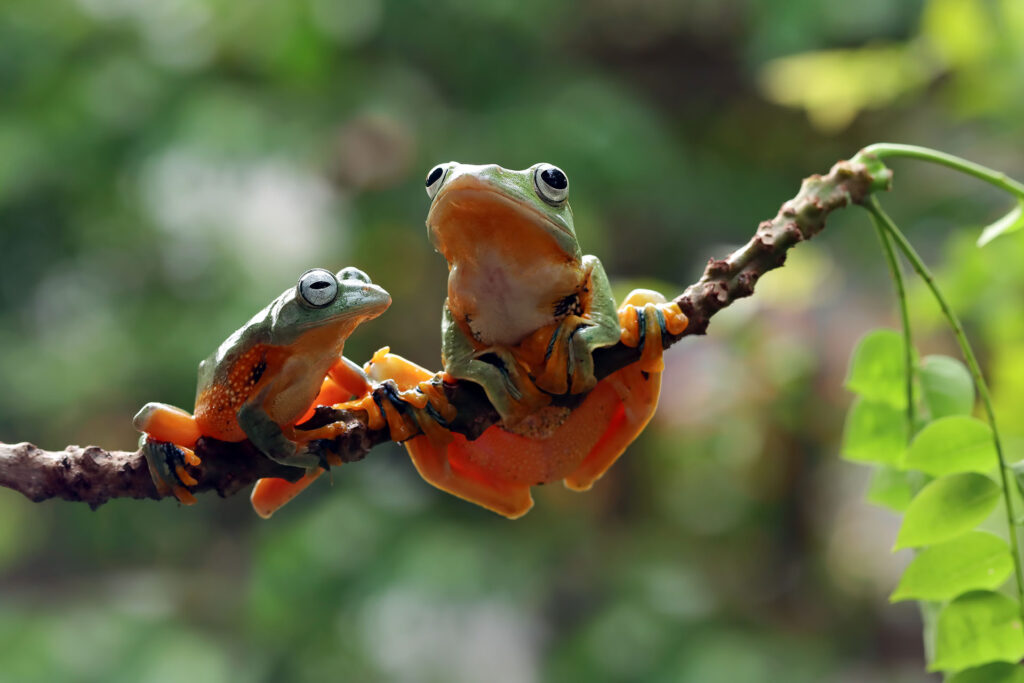
Costa Rica is home to roughly 200 species of amphibians, and the frogs steal the show. The red-eyed tree frog — with its neon-green body, blue-and-yellow striped flanks, and vivid crimson eyes — has become an unofficial ambassador for tropical conservation worldwide. You will find them clinging to the undersides of leaves in humid lowland forests, particularly around Tortuguero, Sarapiquí, and the Caribbean slope.
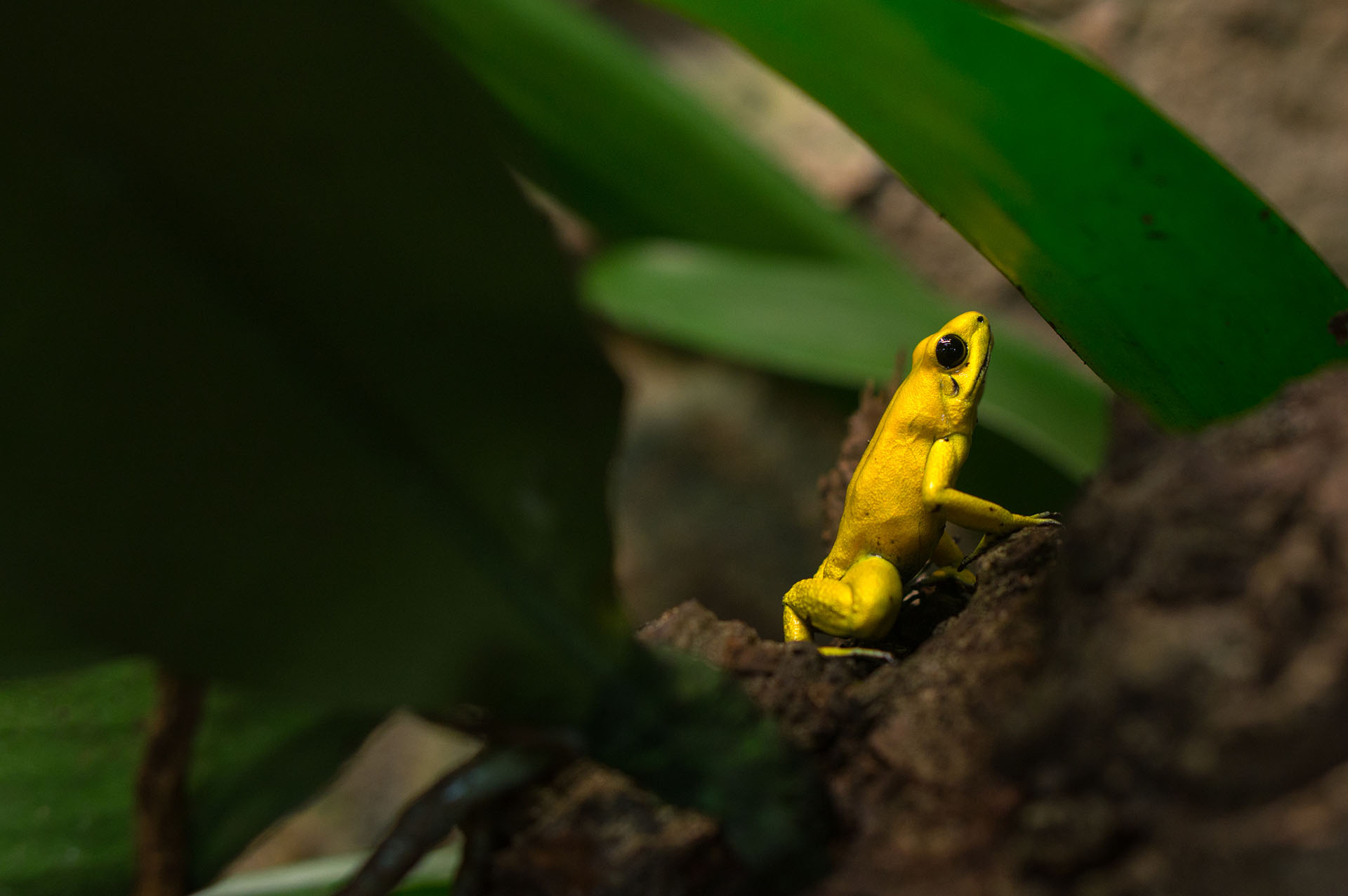
Equally captivating are the poison dart frogs, tiny jewels no bigger than a thumbnail that advertise their toxicity with brilliant patterns of blue, red, orange, and green. The strawberry poison dart frog (Oophaga pumilio) is especially common on the Caribbean side. Then there are the glass frogs, whose translucent bellies reveal beating hearts and digestive organs — a marvel of evolutionary adaptation that never fails to astonish visitors. Night walks at places like Danaus Eco Center near La Fortuna or biological stations in the Osa Peninsula are the best way to encounter these nocturnal creatures. A good guide with a headlamp can spot species you would never notice on your own, turning a simple forest trail into a gallery of living art.
Corcovado: The Crown Jewel
National Geographic once called Corcovado National Park "the most biologically intense place on Earth," and the description has never been contested. Located on the remote Osa Peninsula in southern Costa Rica, Corcovado protects 424 square kilometers of primary lowland rainforest — the largest remaining tract on the entire Pacific coast of Central America. This is the real deal: dense, untamed, and teeming with life that has vanished from less protected areas.
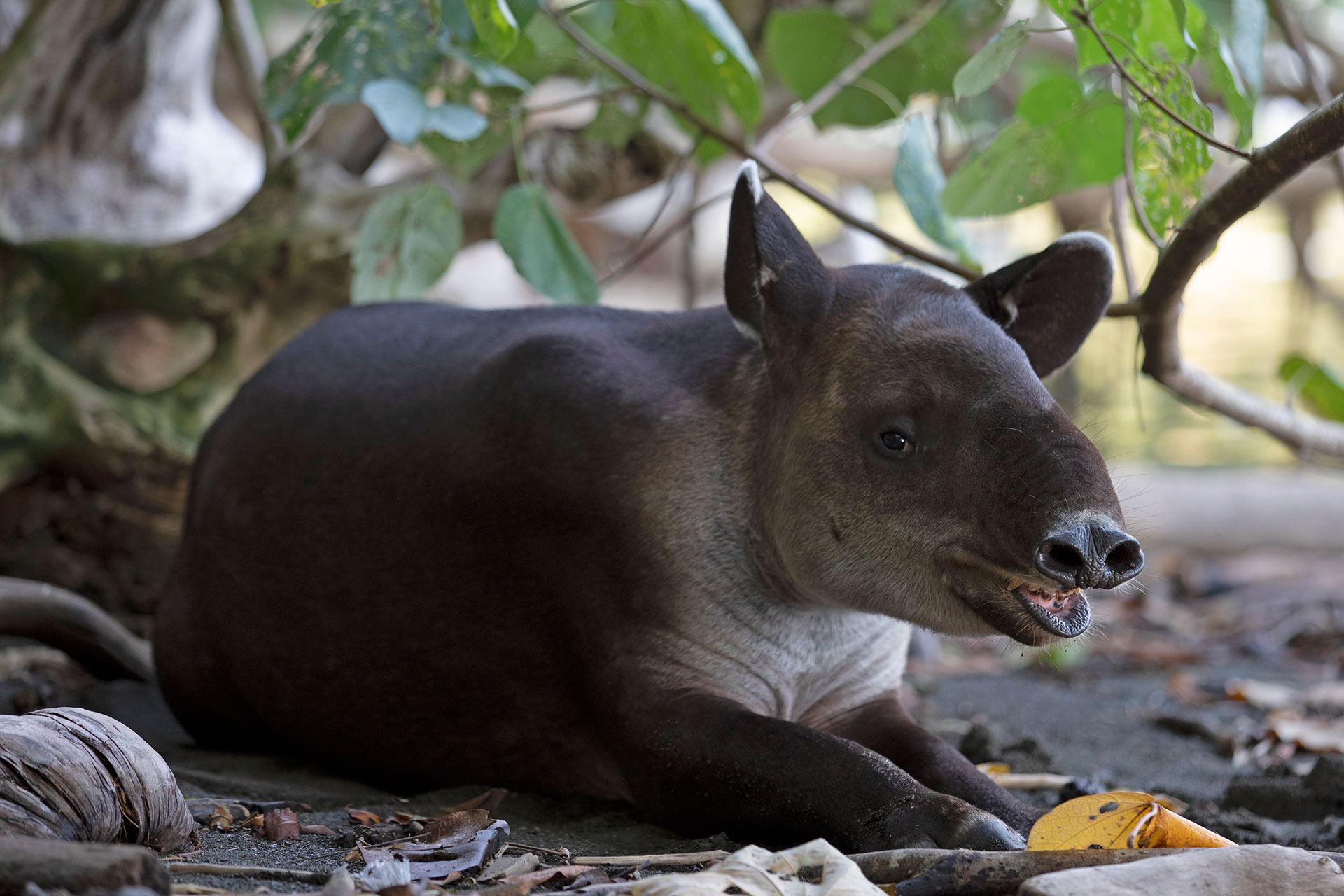
Corcovado is one of the few places in the country where all four species of Costa Rican monkeys coexist: howler, spider, white-faced capuchin, and the endangered squirrel monkey. Baird's tapir, Central America's largest land mammal, wanders the forest trails with surprising regularity. Jaguars roam the park — sightings are rare but camera traps confirm a healthy population. The bird list exceeds 400 species, including the harpy eagle. Access is controlled and requires a certified guide, which keeps visitor numbers low and the experience intimate. A full-day hike from Drake Bay into the park's Sirena station is one of the most rewarding wildlife adventures available anywhere on the planet. Bring waterproof everything, carry plenty of water, and prepare to be humbled.
Jaguar Rescue Center: Rehabilitation and Hope
Despite its name, the Jaguar Rescue Center in Puerto Viejo de Talamanca on the Caribbean coast is not primarily about jaguars. It is a wildlife rehabilitation facility that cares for injured, orphaned, and confiscated animals with the ultimate goal of releasing them back into the wild. Founded by two biologists in 2008, the center has become one of Costa Rica's most respected rescue operations — and one of its most moving visitor experiences.
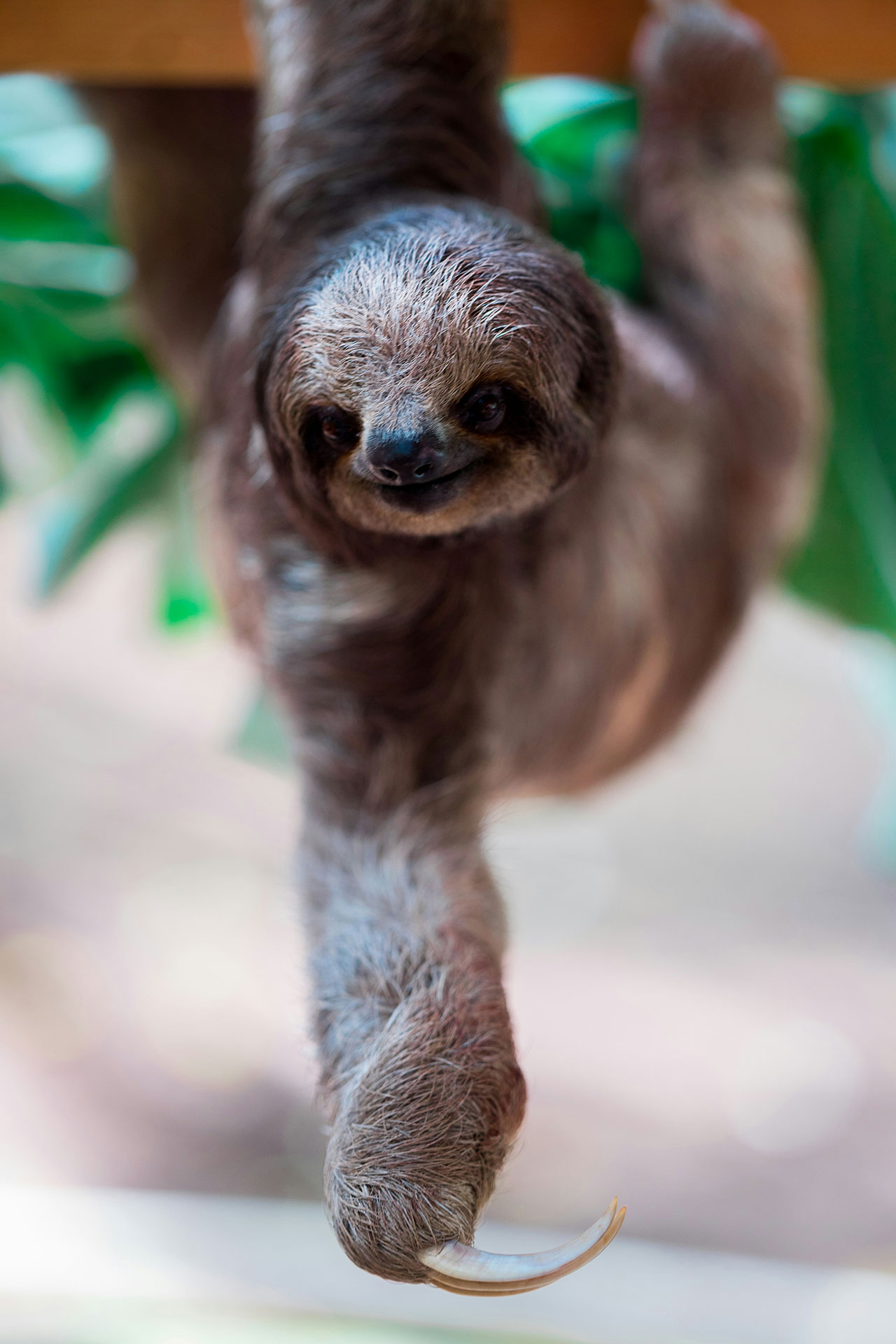
On a guided tour, you will meet two-toed sloths recovering from electrical wire injuries, baby howler monkeys being socialized for eventual release, toucans healing from broken wings, and countless other creatures in various stages of rehabilitation. The center's educational visits are thoughtfully structured to explain why these animals ended up here — habitat loss, power lines, illegal pet trade — and what travelers can do to help. The release program is the true highlight: animals deemed ready are returned to protected forest corridors, sometimes after months or years of care. It is a profoundly hopeful place that demonstrates how tourism, when done responsibly, can directly fund conservation efforts. Visits must be booked in advance and are limited to small groups.
Wildlife Viewing Tips
Maximizing your wildlife encounters in Costa Rica is as much about behavior and timing as it is about location. Here are the essential guidelines that will transform a good trip into an extraordinary one:
- Start early. The hours between 5:30 and 8:00 AM are the most active for birds, monkeys, and most mammals. Dawn is when the forest wakes up, and the light filtering through the canopy creates magical conditions for observation and photography alike.
- Hire a naturalist guide. A trained local guide with a spotting scope will multiply your sightings by a factor of three or more. They know the calls, the habits, and the secret spots — and they support the local economy directly.
- Dress for stealth. Wear muted earth tones (greens, browns, tans), long sleeves for sun and insect protection, and sturdy closed-toe shoes. Avoid bright colors, perfumes, and noisy fabrics that startle animals.
- Practice ethical wildlife tourism. Never feed, touch, or chase wild animals. Maintain a respectful distance. If an animal changes its behavior because of your presence, you are too close.
- No flash photography. Flash can disorient and stress nocturnal animals, especially frogs, owls, and nesting turtles. Use a high-ISO camera setting or a red-filtered light instead.
- Binoculars are essential. A good pair of 8x42 binoculars will open up an entirely new dimension of the forest. Many lodges lend them to guests, but bringing your own ensures familiarity and comfort.
- Be patient and quiet. The jungle rewards stillness. Find a spot near a fruiting tree or a water source, sit quietly for 20 minutes, and watch the wildlife come to you.
Season-by-Season Wildlife Calendar
Costa Rica's wildlife spectacles shift with the seasons. Use this quick-reference calendar to plan your visit around the encounters that matter most to you:
| Season | Months | What to See | Best Regions |
|---|---|---|---|
| Dry Season | Dec – Feb | Quetzal courtship, migratory birds arrive, whale sharks (Cocos Island), dry-forest wildlife concentrates near water | Monteverde, Guanacaste, Nicoya |
| Dry Season | Mar – Apr | Peak quetzal nesting, scarlet macaw chicks, nesting raptors, dry-forest mammals easier to spot | Monteverde, Osa, Carara |
| Green Season | May – Jun | Olive ridley arribadas begin, frog activity peaks, lush forest canopy, baby sloths | Ostional, Sarapiquí, Tortuguero |
| Green Season | Jul – Aug | Green turtle nesting (Tortuguero), humpback whales arrive (Southern Pacific), poison dart frogs active | Tortuguero, Osa, Uvita |
| Green Season | Sep – Oct | Peak turtle nesting, leatherbacks (Caribbean), massive arribadas, raptor migration, whale watching | Tortuguero, Ostional, Marino Ballena |
| Transition | Nov | Last turtle hatchlings, migratory birds returning, forest exploding with new growth, fewer crowds | Caribbean coast, Arenal, Osa |
Every month in Costa Rica offers something remarkable. The green season (May–November) brings lush landscapes, fewer tourists, lower prices, and some of the most spectacular wildlife events of the year. The dry season (December–April) makes trails more accessible and concentrates wildlife around remaining water sources. There is no wrong time — only different wonders.