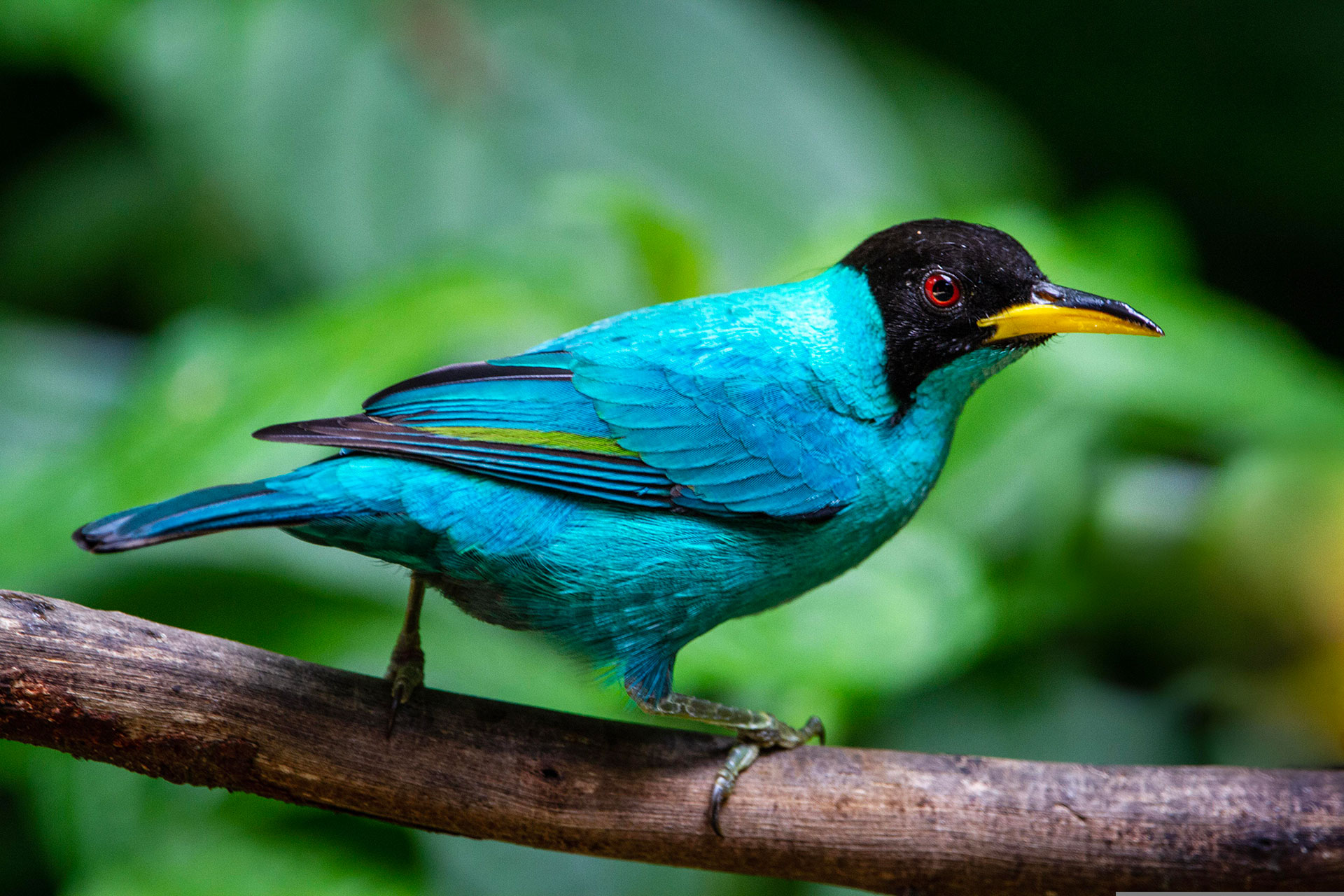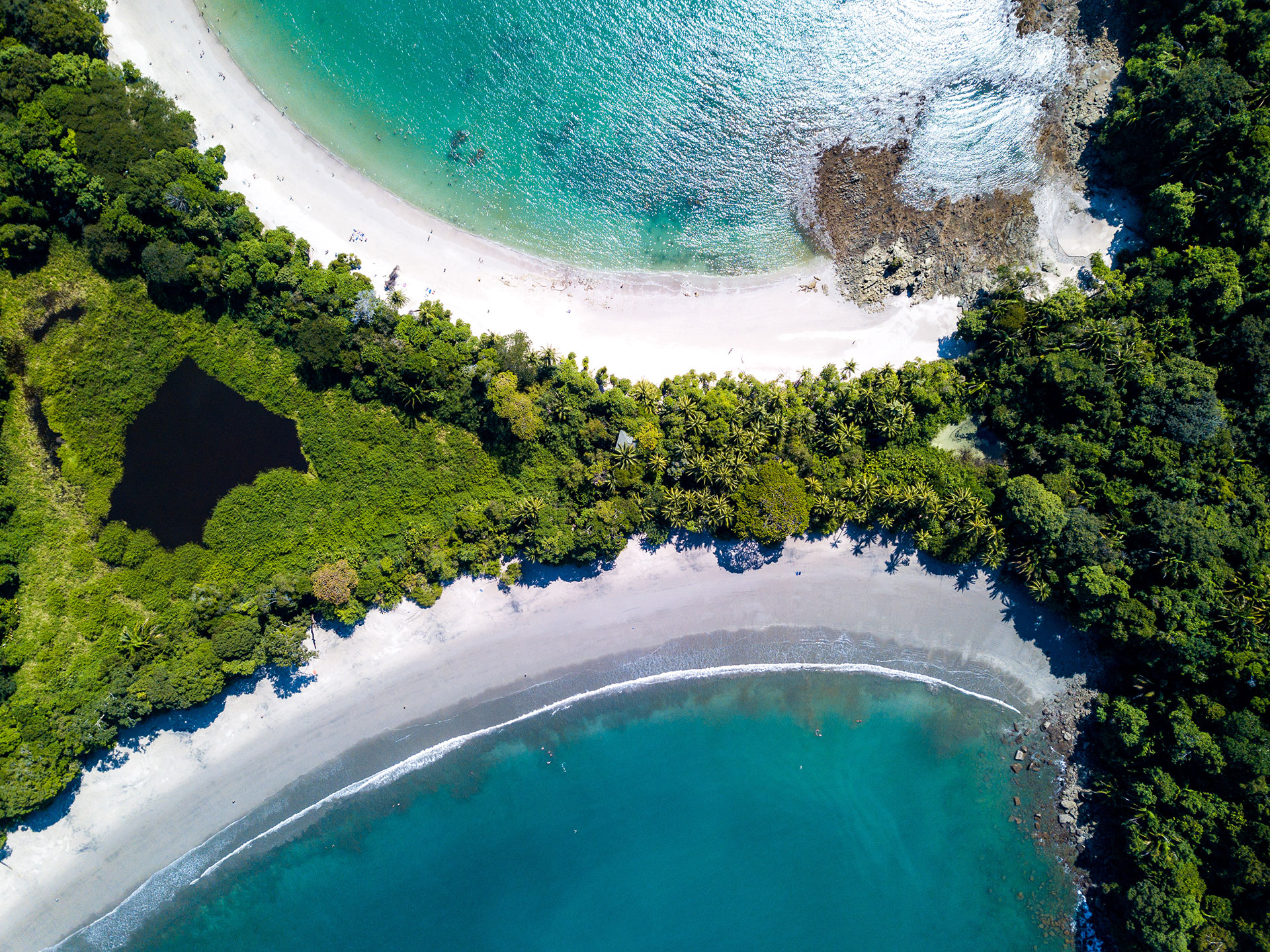
Costa Rica is celebrated worldwide for its national parks, cloud forests, and pristine beaches. But beyond the well-trodden paths of Arenal and Manuel Antonio lies a country of staggering depth — places where the jungle still whispers its oldest stories, where rivers run an impossible shade of blue, and where ancient civilizations left behind mysteries we have yet to fully understand. These are the destinations that reward the curious traveler, the ones willing to trade convenience for wonder.
We have spent more than 17 years guiding luxury-conscious travelers through Costa Rica, and these seven hidden gems consistently deliver the most profound, unforgettable moments. Consider this your invitation to go deeper.
1 Río Celeste & Tenorio Volcano National Park
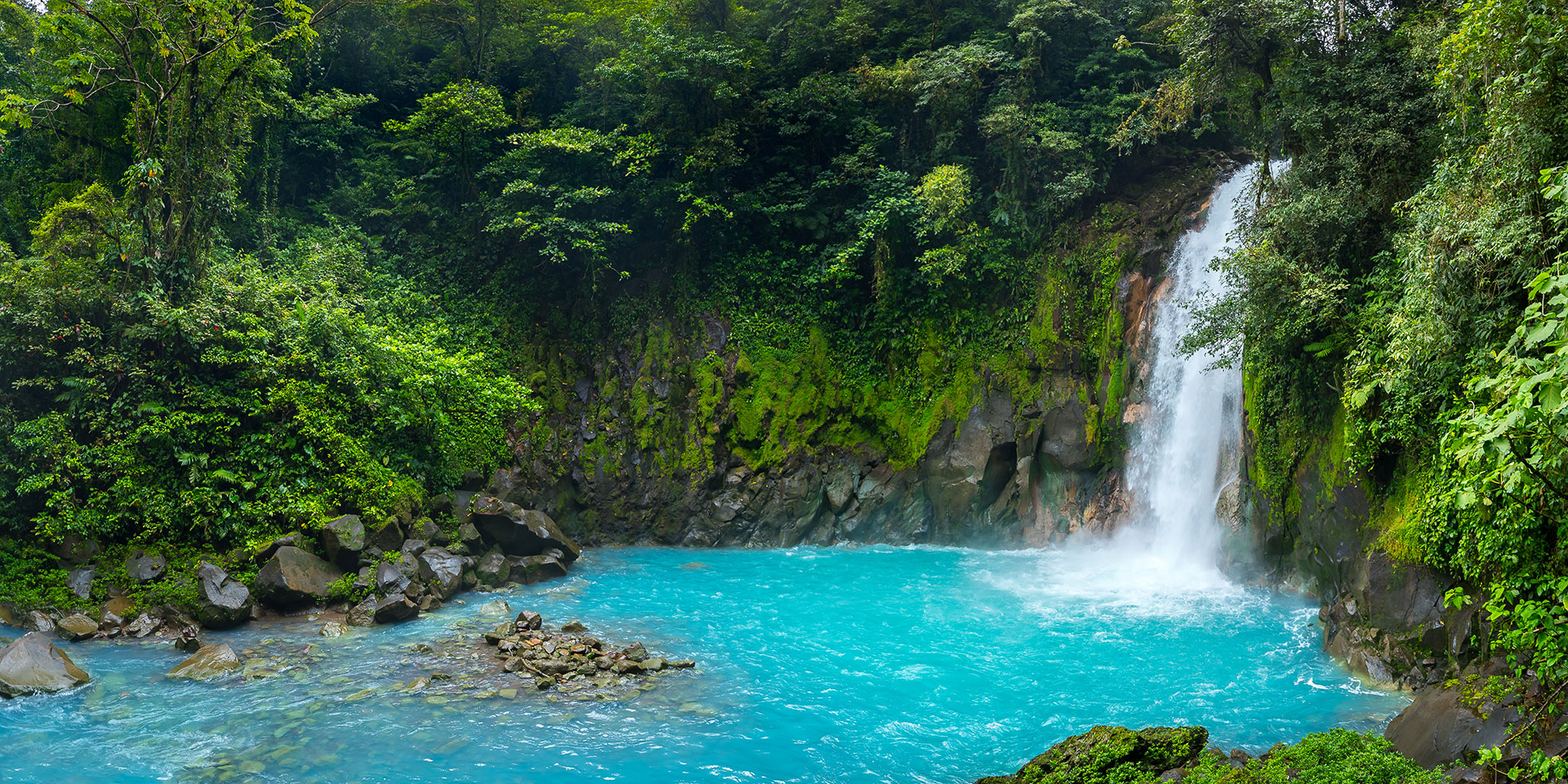
Deep in the northern lowlands, where the flanks of Tenorio Volcano meet dense primary rainforest, a river runs a shade of turquoise so vivid it looks digitally altered. It is not. Río Celeste gets its otherworldly color from a natural optical phenomenon: when two mineral-rich streams converge at a point locals call Teñidero — “the dyer” — volcanic minerals create nanoparticles of aluminosilicate that scatter sunlight and reflect only blue wavelengths. The result is a river that appears to have been painted by the heavens.
The hike to the main waterfall is a moderate 6-kilometer round trip through old-growth forest alive with howler monkeys, toucans, and poison dart frogs. Unlike the crowded trails around Arenal, Tenorio receives a fraction of the visitors, which means you can stand at the waterfall viewpoint in near solitude — a rarity in Costa Rica’s most famous landscapes. The trail continues to bubbling volcanic hot pots and fumaroles, reminding you that this beauty sits atop one of the most geologically active regions in Central America.
For the luxury-conscious traveler, we pair this hike with a private naturalist guide who explains the volcanic chemistry in real time, followed by a farm-to-table lunch at a family-owned estate nearby. It is the kind of experience that no guidebook can replicate — science, nature, and gastronomy woven into a single morning.
2 Tortuguero Canals
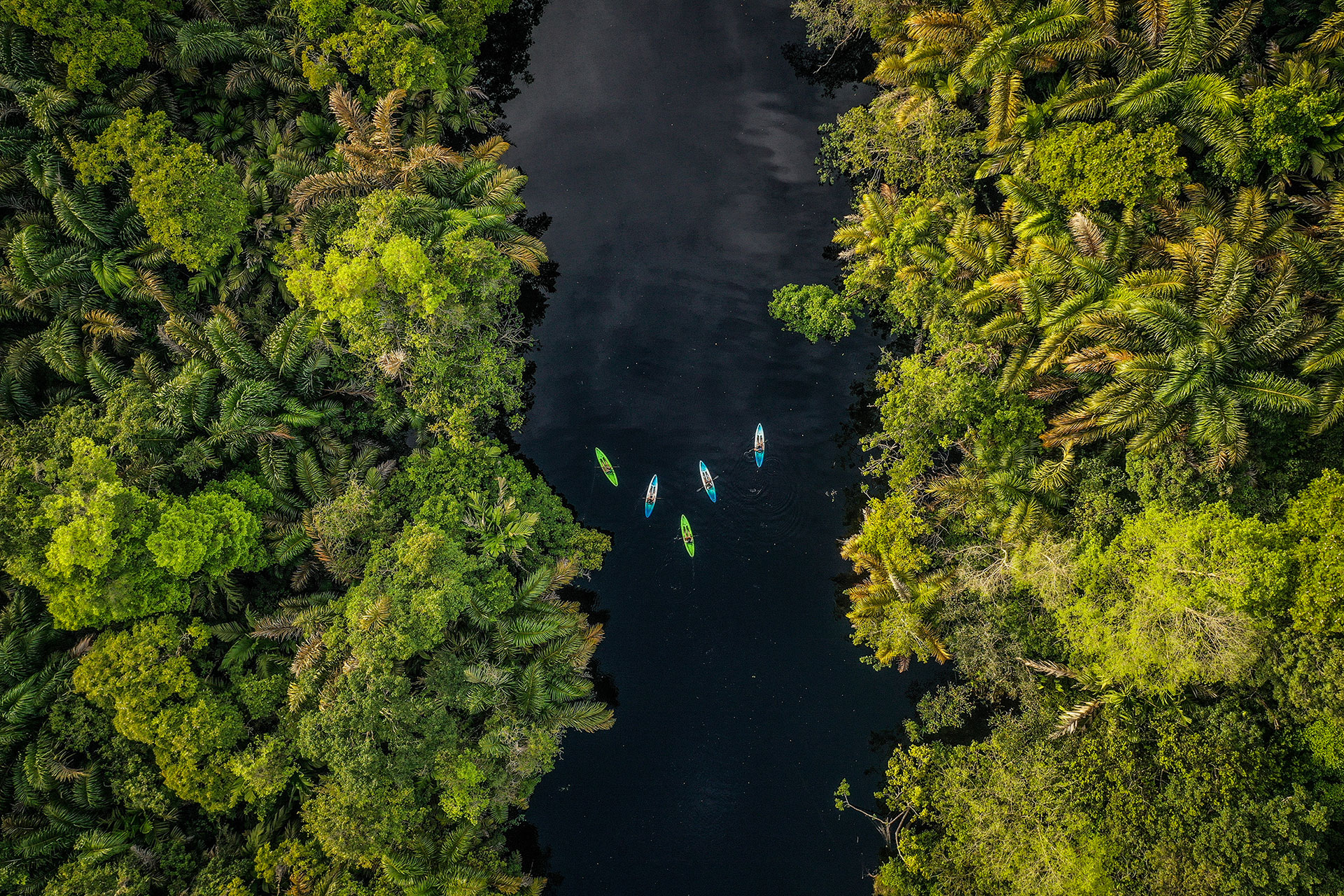
There are no roads to Tortuguero. You arrive by small aircraft skimming over an endless carpet of jungle, or by boat through a labyrinth of canals that has earned this region the title “Venice of Costa Rica.” That inaccessibility is precisely what makes it extraordinary. Tortuguero is one of the most biologically intense places on the planet — a vast network of freshwater canals, lagoons, and swamp forests that serves as the nesting ground for endangered green sea turtles and a corridor for an astonishing array of wildlife.
A dawn kayak through the canals is a masterclass in stillness. Howler monkeys call from the canopy, caimans glide beneath your hull, and if you visit between July and October, you may witness one of nature’s most moving spectacles: female green turtles hauling themselves onto the black-sand beach under moonlight to lay their eggs. Guided night walks along the nesting beach are conducted with strict protocols to protect the turtles, and the experience of watching a 150-kilogram turtle dig her nest in complete darkness is nothing short of humbling.
By day, the canals reveal three-toed sloths draped in cecropia trees, river otters playing in the shallows, and basilisk lizards sprinting across the water’s surface — earning their nickname, the “Jesus Christ lizard.” Tortuguero demands patience and a willingness to disconnect, and in return, it delivers moments of raw, unfiltered nature that stay with you for decades.
3 Caño Negro Wildlife Refuge
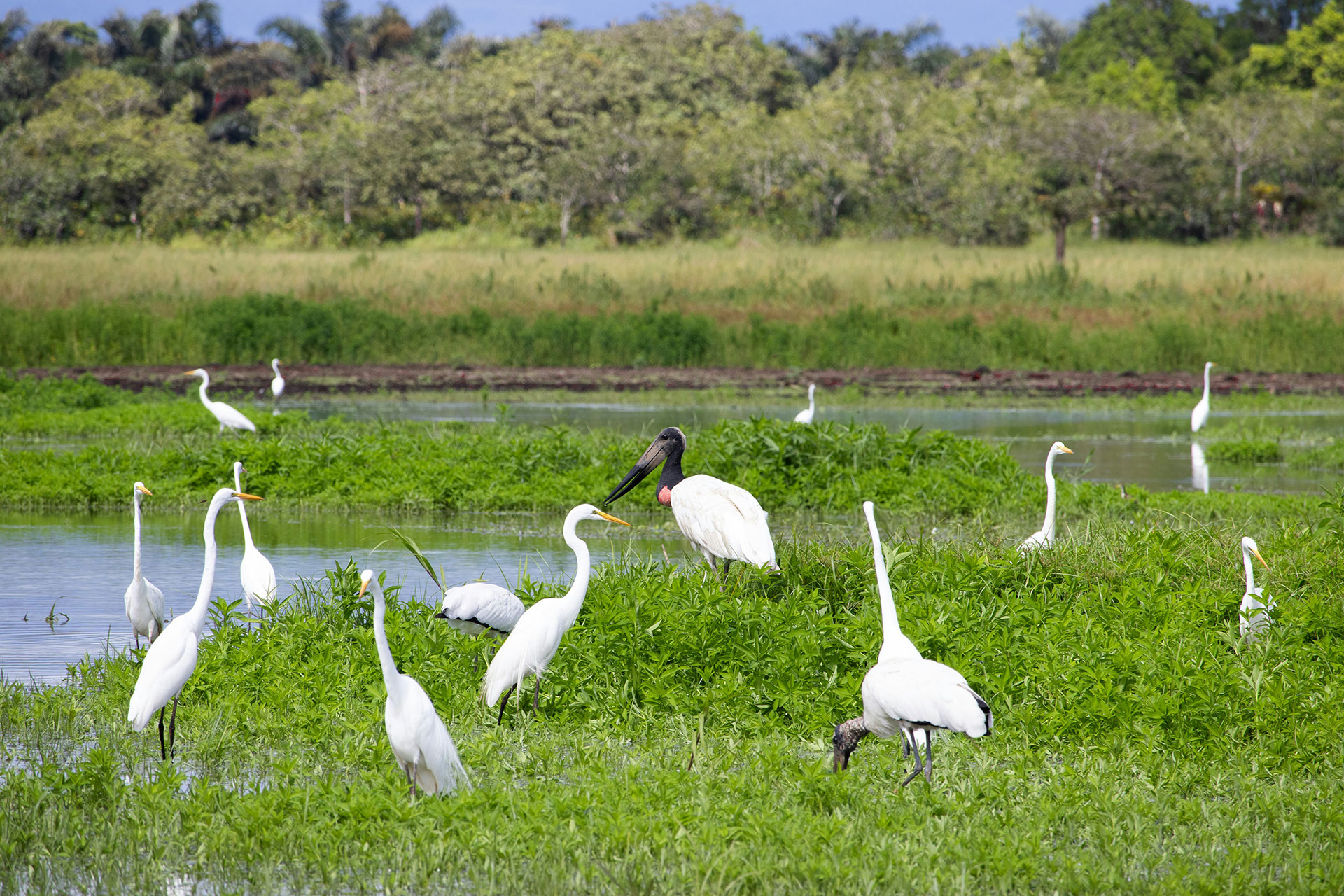
Tucked into the remote northern lowlands near the Nicaraguan border, Caño Negro is the kind of place that even many Costa Ricans have never visited. This 10,000-hectare wetland refuge — designated a Ramsar site of international importance — is a seasonal floodplain fed by the Río Frío, and during the wet season it transforms into a vast inland lake teeming with life. It is, without exaggeration, one of the finest birdwatching destinations in all of Central America.
More than 300 bird species have been recorded here, including jabiru storks, roseate spoonbills, anhingas, and several species of kingfisher. The refuge is also home to spectacled caimans, river turtles, howler and spider monkeys, and the elusive fishing bat. A boat tour along the Río Frío at golden hour feels less like a wildlife excursion and more like drifting through a nature documentary — the density of life along the riverbanks is staggering, and the absence of crowds amplifies every sound and sighting.
What makes Caño Negro truly special for discerning travelers is its authenticity. There are no resort complexes here, no souvenir shops, no tourist infrastructure to speak of. It is conservation in its purest form — a place where the natural world simply carries on, undisturbed. We arrange private boat tours with local guides who have spent their entire lives on these waters and can spot a sunbittern or a basilisk from 50 meters away.
“The real luxury in travel isn’t thread count or champagne at sunset — it’s being in a place so untouched that you feel the privilege of simply being allowed to witness it.”
4 The Stone Spheres of the Diquís
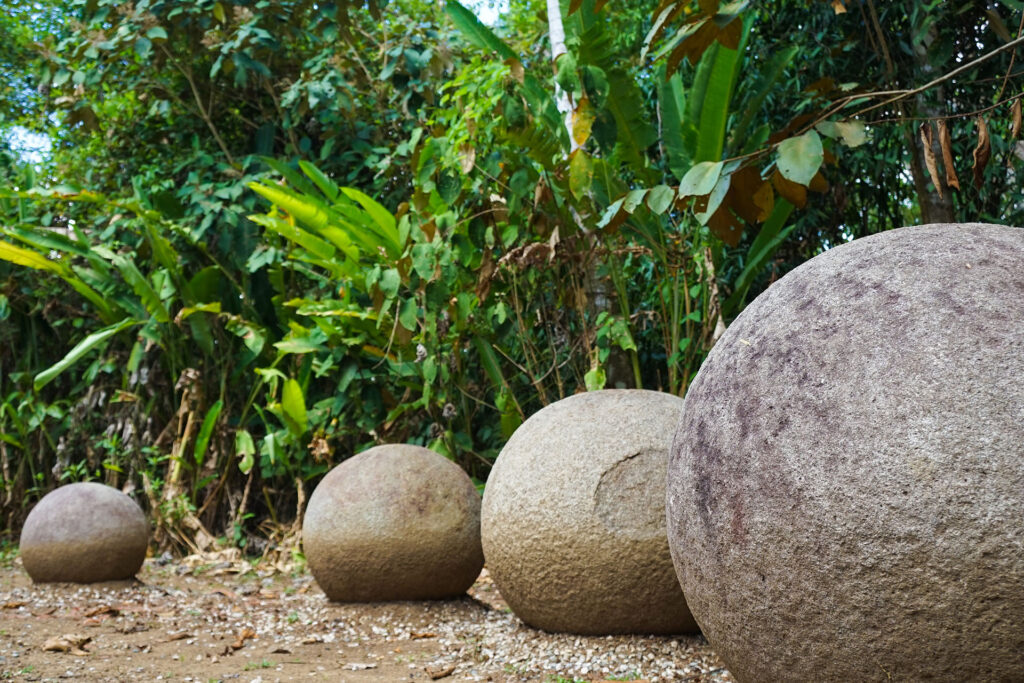
In the sweltering lowlands of the Diquís Delta, near the southern Pacific coast, hundreds of nearly perfect stone spheres lie scattered across banana plantations and archaeological sites. Ranging from a few centimeters to over two meters in diameter and weighing up to 15 tonnes, these Las Bolas were carved by the pre-Columbian Diquís culture between 500 and 1500 CE — and to this day, no one knows exactly how or why they were made.
Declared a UNESCO World Heritage Site in 2014, the stone spheres are among the most enigmatic archaeological artifacts in the Americas. Some scholars believe they marked territorial boundaries or held astronomical significance; others suggest they were symbols of rank and power for chieftains. What is certain is that the precision of their craftsmanship — many are nearly perfectly spherical, with deviations of less than 0.2 percent — is extraordinary for a culture that possessed no metal tools and no written language.
Visiting the Finca 6 archaeological site, the primary excavation area, feels like stepping into a genuine mystery. The spheres sit in open clearings surrounded by tropical vegetation, their surfaces worn smooth by centuries of rain, and the silence of the place amplifies their strangeness. For travelers making their way to the Osa Peninsula — one of the most biodiverse places on Earth — a detour to the stone spheres adds an entirely different dimension to the journey: a reminder that this land was shaped not only by nature but by civilizations whose stories are still being unearthed.
5 Nosara & the Blue Zone
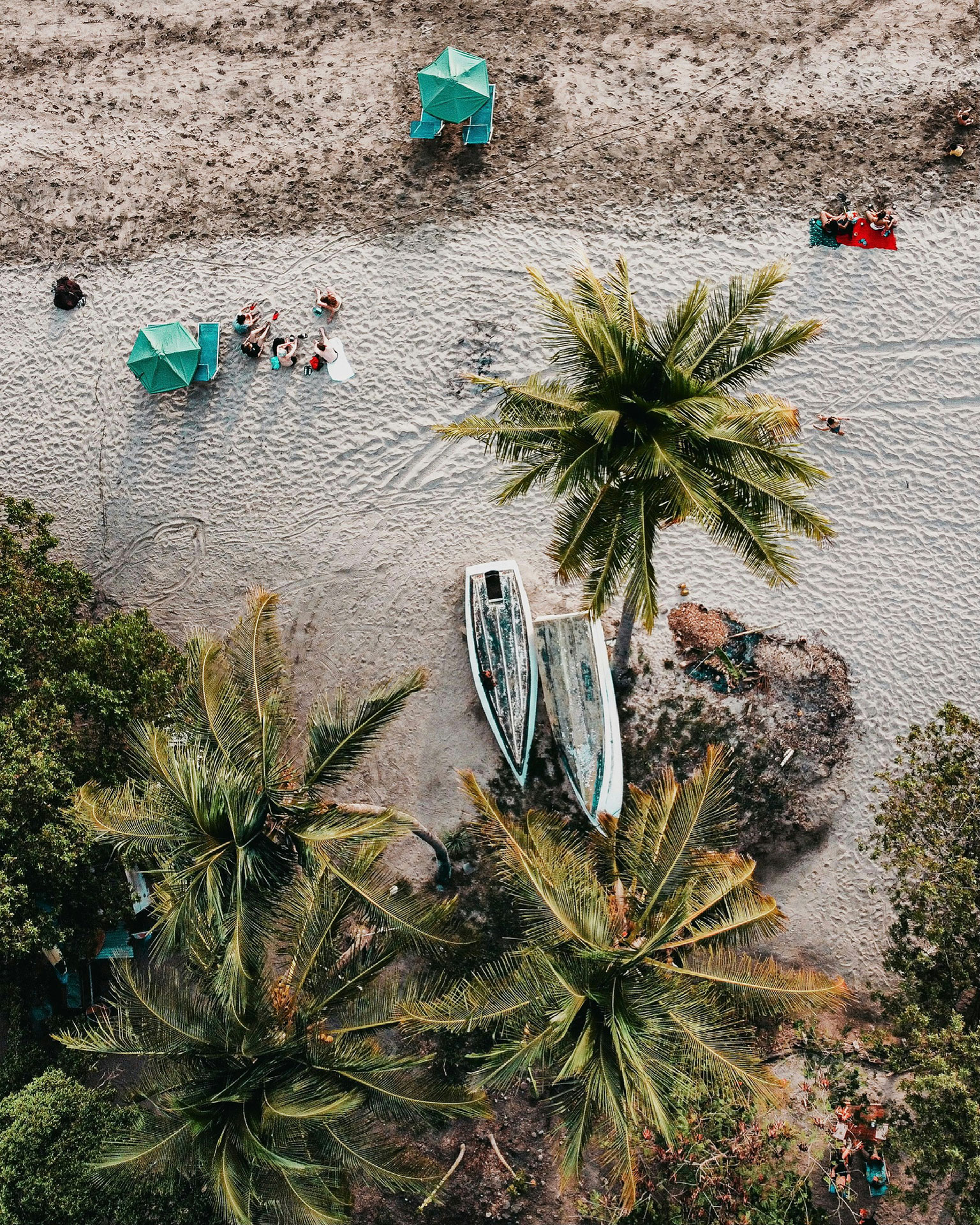
The Nicoya Peninsula is one of only five Blue Zones on Earth — places where people regularly live past 100 in remarkable health. And at its heart sits Nosara, a small coastal community that has become a sanctuary for those seeking a deeper connection between body, mind, and nature. Unlike the resort-heavy Pacific destinations further north, Nosara has grown organically, shaped by strict development regulations that have preserved its wild, unpretentious character.
The town is anchored by two beaches: Playa Guiones, a long crescent of golden sand with some of the most consistent surf breaks in Costa Rica, and Playa Pelada, a quieter cove framed by tidal pools and rocky outcroppings. Between them, a canopy of tropical dry forest shelters yoga shalas, open-air restaurants serving farm-fresh cuisine, and retreat centers that draw practitioners from around the world. The wellness culture here is genuine, not performative — it grows from the same soil that keeps the Blue Zone centenarians thriving: community, movement, purpose, and a diet rich in beans, corn, and tropical fruits.
For luxury travellers, Nosara offers a different kind of indulgence. Mornings begin with a private surf lesson at sunrise, followed by a restorative yoga session with ocean views. Afternoons unfold with guided nature walks through the Nosara Biological Reserve, where howler monkeys swing through the trees and scarlet macaws flash overhead. It is a place that recalibrates your sense of what matters — less about opulence and more about vitality. The Blue Zone philosophy, it turns out, is the ultimate luxury.
6 Hacienda El Viejo
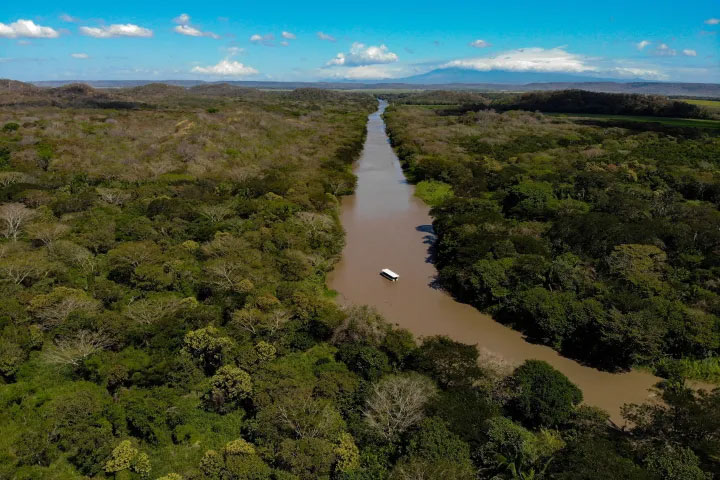
In the heart of Guanacaste, where the tropical dry forest gives way to vast cattle pastures and mangrove-lined estuaries, Hacienda El Viejo stands as a living monument to a way of life that is rapidly vanishing. This working cattle ranch dates back generations and preserves the traditions of the sabaneros — the Costa Rican cowboys whose culture of horsemanship, folklore, and deep connection to the land forms the bedrock of Guanacaste’s identity.
A visit to Hacienda El Viejo is a multi-layered experience. The hacienda itself is beautifully maintained, with a colonial-era farmhouse, a traditional sugar cane press, and corrals where you can watch sabaneros at work. But the property extends far beyond the ranch: it encompasses 2,300 hectares of protected wetlands along the Tempisque River, a critical habitat for crocodiles, herons, iguanas, and hundreds of migratory birds. A boat tour through these mangrove channels at sunset, with flocks of egrets silhouetted against a burning Guanacaste sky, is one of the most cinematic moments Costa Rica can offer.
What elevates this experience for luxury travellers is the cultural immersion. You are not watching a performance — you are stepping into an active agricultural operation where traditions are maintained because they still work, not because tourists are watching. The guides are ranchers themselves, and their stories of life on the hacienda carry a warmth and authenticity that no scripted tour can match. Pair this with a traditional Guanacasteco lunch of arroz de maíz and fresh tortillas, and you have an experience that nourishes every sense.
7 Caribbean Coast & Puerto Viejo
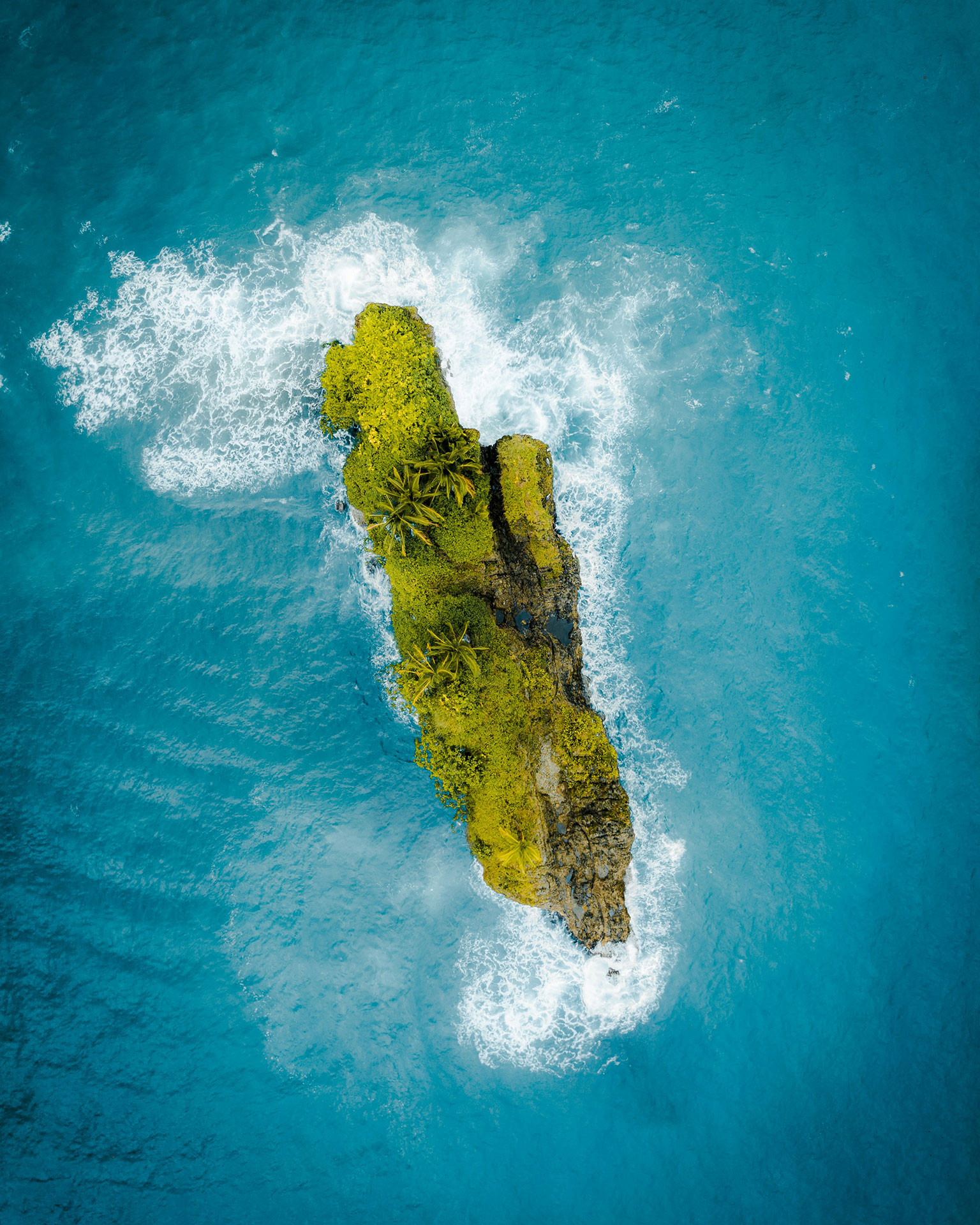

Cross the continental divide heading east and you enter a different Costa Rica entirely. The Caribbean coast operates on its own rhythm — slower, warmer, infused with the reggae basslines and Creole cooking of its Afro-Caribbean communities. Puerto Viejo de Talamanca, a small town pressed between the jungle and a turquoise sea, is the cultural heart of this coast, and it offers an experience that exists nowhere else in the country.
The Afro-Caribbean heritage here traces back to Jamaican laborers who arrived in the late 19th century to build the Atlantic railroad. Their descendants have woven a distinct cultural tapestry — one where rice and beans (cooked in coconut milk, spiced with thyme and Scotch bonnet peppers) replaces the Central Valley’s gallo pinto, where calypso and reggae soundtrack the evenings, and where the pace of life resists any attempt at acceleration. A Caribbean cooking class with a local family is one of the most joyful experiences we offer — part culinary lesson, part oral history, part celebration of a culture that has thrived against the odds.
Beyond the town, the Caribbean coast holds treasures that few visitors discover. The Jaguar Rescue Center in Playa Cocles rehabilitates injured wildlife — sloths, monkeys, toucans, and the occasional ocelot — and offers guided tours that fund its conservation work. Further south, Punta Uva hides what many consider the most beautiful beach in Costa Rica: a palm-fringed arc of white sand with crystalline water sheltered by a coral reef. And for the adventurous, the Gandoca-Manzanillo Wildlife Refuge protects a stretch of coast where leatherback turtles nest and manatees inhabit the quiet lagoons.
The Caribbean side of Costa Rica is not for everyone — and that is precisely the point. It asks you to slow down, to listen, to taste, and to let go of your itinerary in favour of whatever the day brings. For travellers willing to embrace that philosophy, it delivers something no luxury resort ever could: the feeling of truly being somewhere.
Ready to Go Beyond the Guidebook?
These seven destinations represent just a fraction of what Costa Rica holds for the curious traveller. Each one rewards those who venture past the obvious with experiences that are richer, quieter, and infinitely more memorable. At Wiköl, we design private itineraries that weave these hidden gems into your journey — not as checkboxes, but as stories you will carry with you long after you return home.