
What Is Eco-Adventure Travel?
The term "eco-adventure" gets tossed around so freely that it has nearly lost its meaning. At its core, eco-adventure travel is the deliberate choice to explore wild places in ways that protect them. It is not about roughing it or giving up comfort — it is about making every element of your trip intentional, from the lodge you sleep in to the guide who leads you through the forest.
Costa Rica did not just adopt this model; it helped invent it. In the 1990s the country became one of the first nations to tie tourism policy directly to conservation outcomes. Today, nearly 30% of its territory is protected, and the tourism industry operates under one of the world's most rigorous sustainability certification systems. That foundation means travelers can pursue thrilling experiences — zip-lining above cloud forests, diving alongside hammerhead sharks, hiking active volcanoes — while knowing the infrastructure supporting those adventures is designed to preserve rather than exploit.
The result is a travel philosophy where adventure and responsibility are not opposites but partners. When done right, every waterfall hike funds reforestation, every farm-to-table meal strengthens a rural economy, and every wildlife encounter supports the research that keeps species safe.
Choose Certified Sustainable Lodges
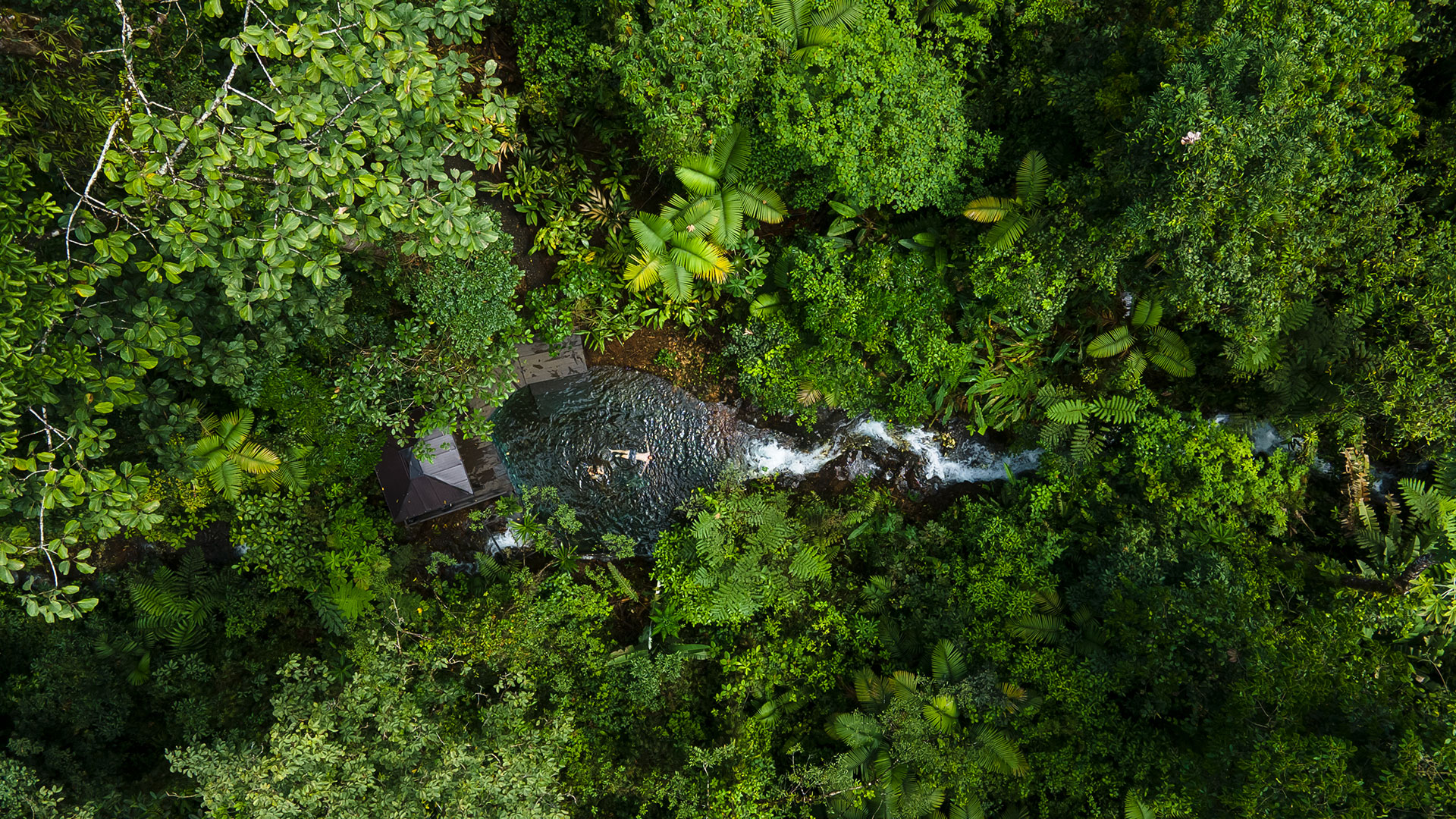
Costa Rica's Certificate for Sustainable Tourism (CST) is the gold standard for eco-accommodation in the tropics. Administered by the national tourism board (ICT), the CST evaluates properties across four dimensions: their physical-biological environment, infrastructure and services, interaction with local communities, and the external client experience. Hotels earn one to five "leaves" based on verified performance, not self-reported claims.
When choosing a lodge, look beyond marketing language. Ask whether the property holds a current CST rating, whether it sources food from local farms, and whether it manages wastewater on-site rather than discharging into rivers. The best eco-luxury properties — places like Lapa Rios in Osa, Nayara in Arenal, or Pacuare Lodge in Limón — pair these commitments with genuinely world-class design, cuisine, and service. You should never have to choose between sustainability and comfort; the CST system ensures you do not have to.
If a property cannot tell you its certification status or explain its environmental practices in plain terms, that silence tells you something. Transparency is the easiest indicator of authenticity.
Support Local Communities
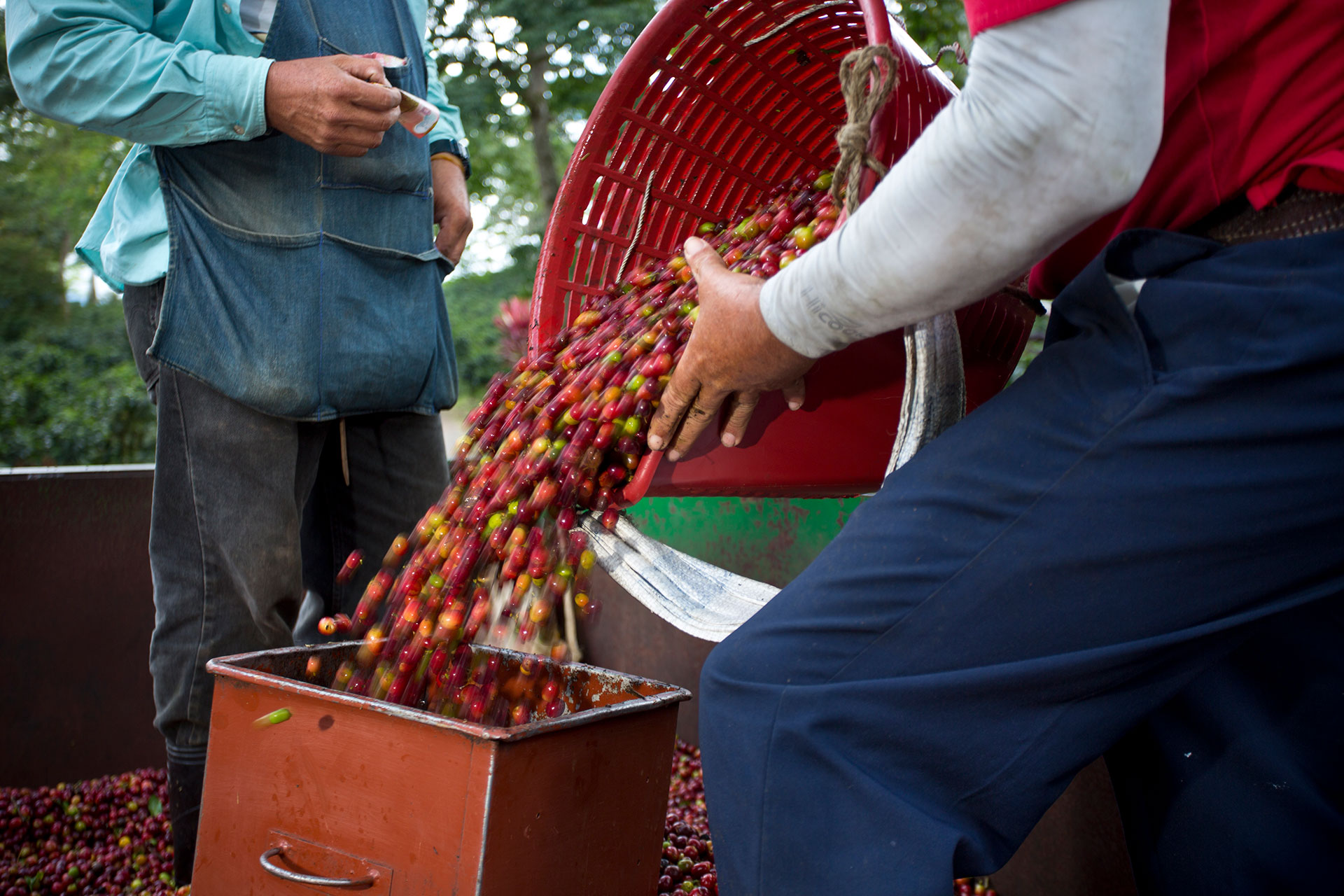
Tourism that stays inside resort walls does little for the communities that surround them. The most meaningful eco-adventures in Costa Rica are designed to channel visitor spending directly into local hands. A coffee farm visit in Aquiares, for example, does more than teach you about bean varietals; it sustains a cooperative that provides healthcare, education, and stable income to hundreds of families in the Turrialba highlands.
Cooking classes on the Caribbean coast introduce you to the Afro-Caribbean culinary traditions that shaped the region's identity — rice and beans cooked in coconut milk, patacones, ceviche with local herbs — while ensuring the knowledge holders are fairly compensated for sharing their culture. Farm-to-table dinners at small family fincas connect you to seasonal ingredients and generations of agricultural wisdom that no restaurant menu can replicate.
Indigenous experiences with the Bribri and Cabécar communities in Talamanca go even deeper, offering respectful windows into cosmologies, medicinal plant practices, and chocolate-making traditions that predate Columbus by centuries. In every case, the principle is the same: when the economic benefits of tourism reach the community level, conservation becomes everyone's priority — not just the government's.

Private vs. Group Tours: The Eco Argument
Most travelers assume group tours are greener because they consolidate transport. The reality is more nuanced. Large groups concentrate impact — they arrive at the same trailheads at the same hours, overwhelm sensitive ecosystems during peak times, and funnel revenue to a handful of large operators rather than distributing it across smaller local businesses.
Private tours, by contrast, offer genuine flexibility. Your guide can adjust departure times to avoid crowded windows at popular parks, take alternative trails that spread visitor pressure more evenly, and build in visits to smaller communities and family-run operations that group itineraries skip entirely. The per-person carbon footprint of a private transfer in a modern vehicle versus a half-empty tour bus is often comparable, especially when routes are optimized by someone who knows the roads intimately.
There is also a qualitative difference that matters for conservation. In a private setting, your naturalist guide can slow down at a nesting site rather than keeping pace with a group schedule. That unhurried approach turns wildlife encounters from photo opportunities into genuine learning moments — and travelers who understand an ecosystem are far more likely to support its protection long after they return home.

Adventures That Give Back
Some of the most unforgettable experiences in Costa Rica happen when adventure intersects with purpose. Turtle conservation volunteering on the Caribbean and Pacific coasts puts travelers on moonlit beaches alongside marine biologists, helping to measure, tag, and protect nesting sea turtles during critical laying seasons. It is physically demanding, emotionally rewarding, and directly funded by the participation fees that travelers pay.
Reforestation projects in degraded agricultural corridors — particularly in the northern lowlands and the biological corridors connecting Monteverde to Arenal — invite visitors to plant native species alongside local conservation teams. A single morning of planting can establish dozens of trees that will sequester carbon and provide wildlife habitat for decades. Reef monitoring programs off the coast of Cahuita and Gandoca-Manzanillo train snorkelers to collect data that feeds into national marine conservation databases.
Wildlife rescue centers like the Jaguar Rescue Center near Puerto Viejo rehabilitate injured animals — sloths, monkeys, raptors, reptiles — and release them back into protected habitat. Visiting these facilities funds their veterinary care, enclosure construction, and community education programs. The key in all of these experiences is that the "adventure" is inseparable from the "giving back" — you are not just watching conservation happen; you are part of it.

“Sustainable travel is not about seeing less. It is about seeing more deeply — staying longer, listening harder, and leaving a place better than you found it. The best adventures do not just take you somewhere new; they change how you see everything you already knew.”
Slow Travel: Quality Over Quantity
The temptation with Costa Rica is to pack every region into a single trip. The country is small — roughly the size of West Virginia — and it is easy to convince yourself that you can "do it all" in ten days. But rushing between destinations means spending more time in vehicles than in nature, burning fuel on transfers that add nothing to your experience, and skimming the surface of places that reward depth.
The slow travel approach recommends spending at least three nights in each destination. That cadence gives you time to return to a trail at different hours and notice how the forest changes between dawn and dusk. It lets you build rapport with your guide, who will share stories and secret spots that never appear on a first-day itinerary. It reduces the total number of transfers in your trip — one of the largest sources of carbon emissions in domestic tourism — and gives you rest days that prevent the exhaustion that plagues overscheduled itineraries.
Culturally, slow travel opens doors that speed closes. A second evening in a small coastal town might lead to an invitation to a local football match, a fisherman's recommendation for the best sunrise point, or a conversation with an artisan whose work you would have driven past. These unplanned moments are almost always the ones travelers remember most vividly — and they only happen when your schedule has room for them.

Getting Around Sustainably
How you move between destinations matters as much as where you stay. Costa Rica's road network has improved dramatically, but the country's mountainous terrain means that even short distances can involve significant elevation changes and fuel consumption. Electric and hybrid transfer vehicles are becoming increasingly available through premium operators, and requesting one is one of the simplest ways to reduce your trip's carbon footprint.
Domestic flights between San José and regional airstrips (La Fortuna, Tortuguero, Drake Bay, Tambor) save hours of driving but come with a higher per-kilometer emission cost. The trade-off makes sense for remote destinations like Osa Peninsula, where the alternative is a full day on rough roads, but less so for well-connected routes like San José to Arenal. Boat access to places like Tortuguero — which has no road connection at all — is not just scenic but the only option, and traveling by water through the canals is one of the most memorable transit experiences in the country.
Several Costa Rican operators and international organizations offer carbon offset programs tied to verified reforestation projects within the country. Purchasing offsets does not erase emissions, but it channels funds into tangible conservation work. The most credible programs plant native species in identified biological corridors rather than monoculture timber plantations — ask your travel planner which programs they partner with and how the offsets are verified.
Your Eco-Adventure Packing List
Packing responsibly is one of the easiest ways to reduce your environmental impact on the ground. Every item below serves a practical purpose while helping you avoid single-use waste and protect the ecosystems you will be exploring.
- Reef-safe mineral sunscreen (no oxybenzone)
- Reusable water bottle with filter
- Compact binoculars for wildlife spotting
- Lightweight layers for highland altitude
- Packable rain jacket (it will rain)
- Sturdy hiking shoes with ankle support
- Dry bag for boat transfers and kayaking
- Insect repellent (DEET-free preferred)
- Reusable shopping bag for market visits
- Quick-dry towel (saves hotel laundry)
Your Planning Checklist
Follow these steps to build an eco-adventure that is both thrilling and responsible from start to finish.
- Research your timing. Green season (May–November) means fewer crowds, lower prices, and lush landscapes. Dry season (December–April) guarantees sunshine but higher demand at top lodges.
- Choose 2–3 regions maximum. Resist the urge to cover the entire country. Depth beats breadth every time, and fewer transfers mean lower emissions.
- Book CST-certified lodges. Verify certification directly on the ICT website. Prioritize properties with 4–5 leaves that demonstrate measurable community impact.
- Hire local, bilingual guides. Naturalist guides licensed by the Costa Rican government ensure quality, legality, and direct economic benefit to local families.
- Build in give-back experiences. Reserve at least one half-day for a conservation activity — turtle monitoring, reforestation, wildlife center visit — that connects you to the country beyond the tourist layer.
- Pack responsibly. Reef-safe products, reusable containers, layers for altitude. Leave single-use plastics at home.
- Offset your carbon. Calculate your flight and transfer emissions, then invest in a verified Costa Rican reforestation program. It is not perfect, but it is meaningful.